

By ensuring that resources are managed for the long-term benefit of all Alaskans rather than private monopolies, Alaska’s Constitution reflects one of the most progressive approaches to environmental stewardship in the United States. Article VIII, for example, sets forth the State’s constitutional framework for the development, conservation, and public use of its natural resources, including land, water, fish, wildlife, forests, and minerals.
As it applies to the public right to protect instream flow reservations, Section 13 of Article VIII states that, except “for public water supply, an appropriation of water shall be limited to stated purposes and subject to preferences among beneficial uses, concurrent or otherwise, as prescribed by law, and to the general reservation of fish and wildlife.” In other words, while the state is authorized to issue water right permits to private entities, this authority is limited by the public’s rights to protect water and fishery resources when and where they choose.
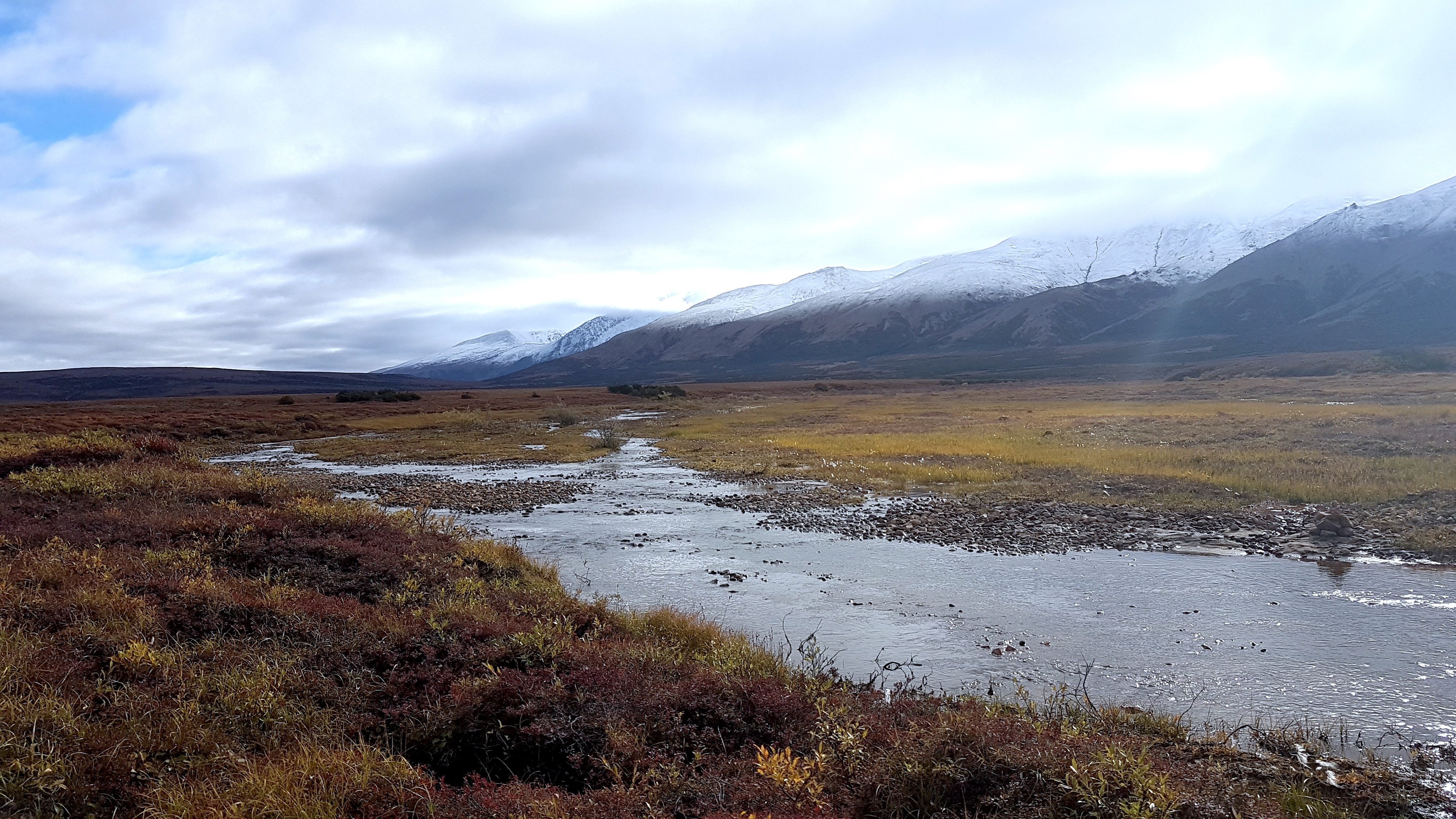
This authority is one of the driving forces behind another one of Alaska’s unique environmental protection policies – it is the only state in the country where citizens and Alaska Native Tribes have held the right, along with federal and state agencies, to apply for and hold instream flow reservations to protect fish and wildlife habitat. This authority comes from Alaska Statute § 46.15.145, which explicitly allows private individuals, local governments, state agencies, and federal agencies to apply for instream flow reservations.
In general, the instream flow reservation process means that appropriating water in Alaska does not always require removing water from the system. Carrying the same legal weight as an out-of-stream diversion, instream flow reservations, therefore, allow certificate holders to “reserve” water in streams and lakes to support salmon. With some exceptions, under Alaska water law, a party who files a successful application for an instream flow reservation receives a water right that is superior to any proposed water uses that may come later in time.
Because it can effectively limit the impacts of mining on sensitive fish and wildlife habitats in Alaska, the mining industry has never liked the instream reservation regulations and has continuously lobbied state politicians to overturn it. An increasingly conservative political leadership has heard the corporate arguments, and in 2013-14, Governor Sean Parnell sponsored HB-77, which would have prohibited Tribal governments and private citizens from applying to the state to reserve water for instream uses.
This legislation eliminated the rights of Native Alaska tribes and everyday citizens to apply for instream flow reservations under state law, placed limits on public comment or appeals of State-issued water right permits, eliminated restrictions on transferring water rights, and increased the amount of water that can be obtained without applying for a permit. Opposition to HB-77 and its counterpart SB-77 ultimately steamrolled into a statewide grassroots campaign, not only to protect water and subsistence resources but to preserve Native Alaskan communities and citizens’ rights to participate in state agency decision-making, and in 2014, the bill died in the Senate Resources committee.
Ever since then, instead of proposed legislation, a series of conservative Governors turned to more subtle efforts to quietly erode the rights of Tribes and citizens under Alaska Statute § 46.15.145 and the Constitution through changes at the regulatory level. Due to the overwhelming unpopularity of such regulatory roll-backs, however, the Dunleavy Administration has consistently scaled back efforts to gut the regulation.
This month, the Division of Mining, Land, and Water released the latest iteration of proposed changes to the regulation, which includes just a handful of provisions. Starting with the requirement that DMLW consider “trade-offs” to the protection of aquatic habitat when making a decision on whether to process instream flow applications, including “property ownership upstream and downstream of the proposed reservation.”[1]
Similarly, instead of removing the right to apply for instream flows, the new amendments would still allow citizens and Tribes to gather data and submit an application for the reservation; once obtained, the water reservation would be held exclusively by DNR. The problem with political subdivisions of the state holding the instream flow reservations, however, is that this makes enforcement and management of the reservation subject to the political agenda of the administration in power at the time. As a result, Alaskans lose their primary tool to keep water in streams to protect vital aquatic habitat and subsistence resources.
While the Division maintains that “this change is proposed as it is the fundamental mission of state and federal resource management agencies to work in the best interests of the public,”[2] in reality the amendment illustrates the Administration’s continuing efforts to quietly erode citizen and Alaska tribal rights to protect the public trust arising out of a combination of the State’s Constitution provisions and statutes that establish the state’s role as trustee of navigable and public waters for the benefit of the public.
Finally, the proposed regulation changes “require the applicant to install measuring devices and monitor and report information at intervals approved by the Commissioner of DNR [and to] bear the costs of conducting additional research, data collection, and analysis for their respective certificated reservations of water.”[3] However, due to the substantial expense of purchasing, installing, maintaining,, and monitoring instream flow reservation equipment, this provision would exclude many tribal organizations and the general public from supporting the continued existence of an instream flow reservation.
Many creeks and rivers in need of protection, for example, are located in remote areas and are difficult to access. Unlike mining and other corporations, tribes and the general public do not have the resources to cover the substantial costs of accessing these areas, in addition to purchasing equipment and hiring staff or consultants to monitor the sites and collect data.
The framers of the Alaska Constitution and legislature clearly foresaw the effects of a politically motivated effort to move control of the state’s resources out of the public realm and into the private sector for profit making purposes. The Dunleavey Administration’s proposed amendments to the water regulations turn this concept on its head by attempting to strengthen the authority of mining, oil and gas, and other profit-making entities to take water out of critical fish-bearing rivers and streams while at the same time, preventing the general public and tribal organizations from protecting those same rivers and streams.
Because Alaska’s instream flow regulations are subject to the political whims of whichever party is in power, the best answer is for the legislature to step in once again and clarify the law once and for all. Such clarification should focus on the Alaska Water Use Act that supports the constitutional mandate that the state’s water belongs to the public trust and the litany of state laws that give the public the right to protect instream flows and fish and wildlife resources by creating an automatic reservation of waters sufficient to sustain water and subsistence resources throughout the state.
Comments on the proposed regulation changes may be submitted to the online public comment portal at: https://dnr.alaska.gov/mlw/comment/submit/?topic=water_inflow or by e-mail at