

This month, the Homer Planning Commission continued shaping regulations on housing, development, wetlands, and watersheds that affect public health, safety, and welfare, and fish and wildlife habitat. On January 7, 2026, the Commission held another work session addressing potential changes to the Environmental Features sections of Title 21 of the Homer Zoning Code.
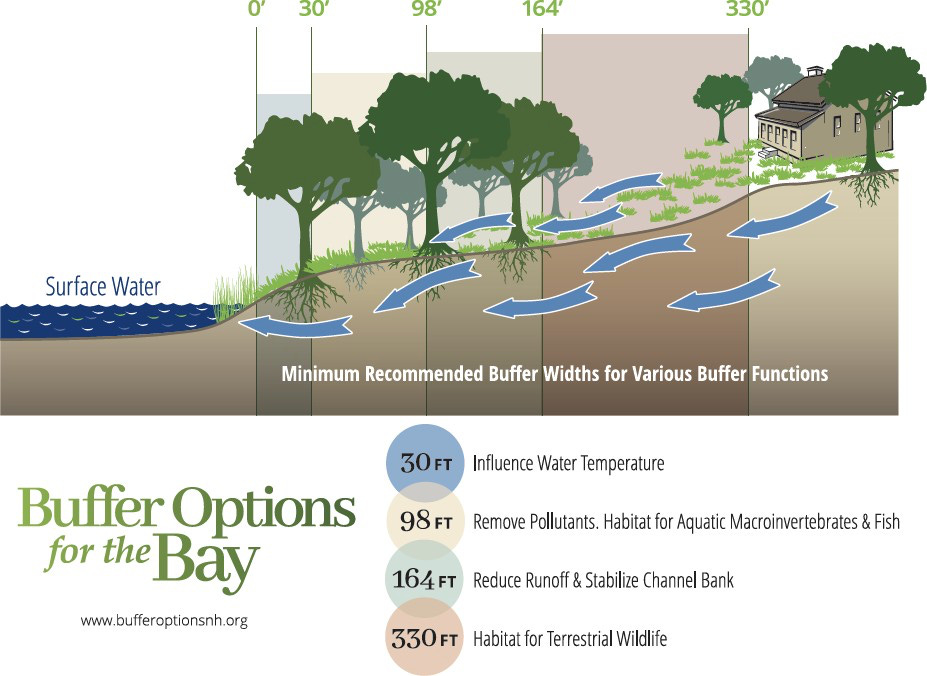
The work session consisted primarily of a slide presentation by the Planning Team made up of the Agnew-Beck Consultants and the City Planning Department. The Team described a watercourse as “any natural or artificial stream, river, creek, ditch, channel, canal, conduit, culvert, drain, waterway, gully, ravine or wash, in and including any adjacent area that is subject to inundation from overflow or floodwater.” A wetland is an “area of land that is inundated or saturated by surface or groundwater at a frequency and duration sufficient to support, and that under normal circumstances do support, a prevalence of vegetation typically adapted for life in saturated soil conditions.”
The Planning Team noted that there are currently no requirements under the Code for development setbacks or areas where building is prohibited on or around wetlands or watercourses. Unlike Homer’s Code, other municipalities have some regulatory structures designed to protect wetlands, rivers, and streams. Anchorage, for example, has mapped its wetlands and then classified them into 3 types: where A or B require permitting by the U.S. Army Corps of Engineers, while C is suitable for development without a Corps permit. Also, setbacks are required for water bodies, drainage ways, riparian edges, and wetlands.
Unlike development provisions for the scoping process in previous work sessions, during the January 7 session, the Team did not recommend changes and instead chose to ask the Commission members present if there was a need for such regulation. In the past, the Team has said that the “City lacks accurate data to guide wetland and watercourse management. The basis for all wetland regulations via zoning requires a clear wetland boundary. Without that data or a clear way to create it, staff would have no way to evaluate a development proposal/land use application.”[1]
In an effort to offset the lack of maps that could apply to wetlands and stream regulations, the Kachemak Bay Conservation Society (KBCS) and other members of the public have submitted ideas for mapping of sensitive environmental areas, protecting watersheds from overdevelopment, and preventing flooding and landslide hazards.[2]According to KBCS’s Vice President, Penelope Haas, “You can always criticize maps for not being accurate enough. The alternatives are either to ignore that there are any limitations – the staff proposal, or to require burdensome hiring of engineers, hydrologists, etc., the latter likely being appropriate for a CUP or PUD application in mapped sensitive areas, just as we do with requirements for traffic analysis.” Haas also noted that “Maps are very helpful rules of thumb that mitigate a lot of bureaucracy and expense while helping protect folks from the impacts of poor planning and helping protect some of the valuable green spaces around Homer.” The Commission members present at the Work Session largely supported strengthening protections for wetlands. Commissioner Heath Smith mentioned the need for examples of where the code framework has failed.
Another problem with wetlands and water course protection in Homer is the fact that proposed wetland development and fill requests are currently analyzed and permitted exclusively by the Army Corps of Engineers whose ability to protect wetlands and waters from development is expected to be severely limited by the Trump Administration’s proposal to weaken the Waters of the United States rule which would largely gut the application of Clean Water Act (CWA). Alaska’s Home Rule framework allows local governments to adopt their own wetlands and watershed-related regulations (e.g., setbacks, land-use zoning, habitat buffers, conservation programs) which are stricter than federal/state requirements.
Under the Municipality of Anchorage’s Wetlands Management Plan, for example, developers must comply with both federal permitting requirements and local municipal rules as long as such rules do not directly conflict with federal and state law. Such local policies can focus on protections to local ecological priorities (e.g., salmon habitat buffers, floodplain restrictions).
During the Work Session, the Planning Team also presented on Steep Slopes and Bluffs. Unlike for wetlands and watersheds, the current Code has some regulatory framework for Steep Slopes and bluffs that limits development activity and structures in areas affected by slopes, bluffs, ravines, and the coastal edge. Similarly, during the meeting, City planning staff referred to mapping tools that can be used to identify steep slopes, etc that may need extra protections. These tools include Steep Slope Overlay, Wetlands Mapper, and Calculator, which consists of an in-house GIS mapping tool that allows staff to view parcels affected by steep slopes, stream drainages, and wetlands.
Regarding the steep slopes issue, the need for changes to the code was mixed among the commissioners, with some strongly advocating for strengthening the code due to the increased level of development occurring in such areas and the need for public safety related to landslides.
According to former head of the City’s Public Works department, Jane Keiser during the public testimony portion of the Work Session, “The number of examples where the code as failed us in both wetlands, water drainages and steep slopes, are too numerous to mention here” and she offered to draft a list of such examples that she will submit in her next set of comments to the Commission and City Council. These sentiments are echoed by a large percentage of people surveyed at an Open House the City held in November, who called for a better definition of wetlands and peatlands, creation of stronger management standards, improved oversight, monitoring, and environmental review, and closer review of development near steep slopes and bluffs.
Regardless of the issues with the current Code, Keiser remains enthusiastic about the current process. “I was encouraged by the discussions the Planning Commission had about these issues. It was obvious they were concerned about many of the same things I am concerned about – protection of wetlands, development on steep slopes, and more. I’m really looking forward to the next iteration of proposed Title 21 revisions.”
There is still time for the public to participate in the Homer City Code update process. First, the Planning Commission decided to schedule another PC work session on January 21 from 4-6:30pm followed by another with the City Council on January 26. During these future work sessions, the Planning Team has suggested that the Commission/Council go over the public review process draft, comment collection and next steps toward adoption. The launch of the Public Review Draft of the Code is tentatively for late January or early Feb.
[1] City of Homer, Homer Title 21 Update p. 7 (November 2025) (Title 21 Update)
[2] KBCS, PROMOTING OPEN SPACE IN HOMER (2025)(Promoting Open Space)