

International Pacific Halibut Commission Rejects Limits on Catch for Recreational Halibut
At their meeting in Bellevue, Washington, last Thursday, the International Pacific Halibut Commission (IPHC.) declined to consider a proposal to reduce daily halibut limits from two to one fish for Alaska’s unguided recreational halibut fishery. Instead, referring to the proposal as a domestic allocation issue, the IPHC deferred the decision to the North Pacific Fishery Management Council (NPFMC).
According to Jon Kurland, one of three U.S. Commissioners who sit on the IPHC and serves as the Alaska Regional Administrator for the National Oceanic and Atmospheric Administration (NOAA) Fisheries, the issue was “arguably not appropriate for debate [by] Commission, which is a forum between the United States and Canada.”
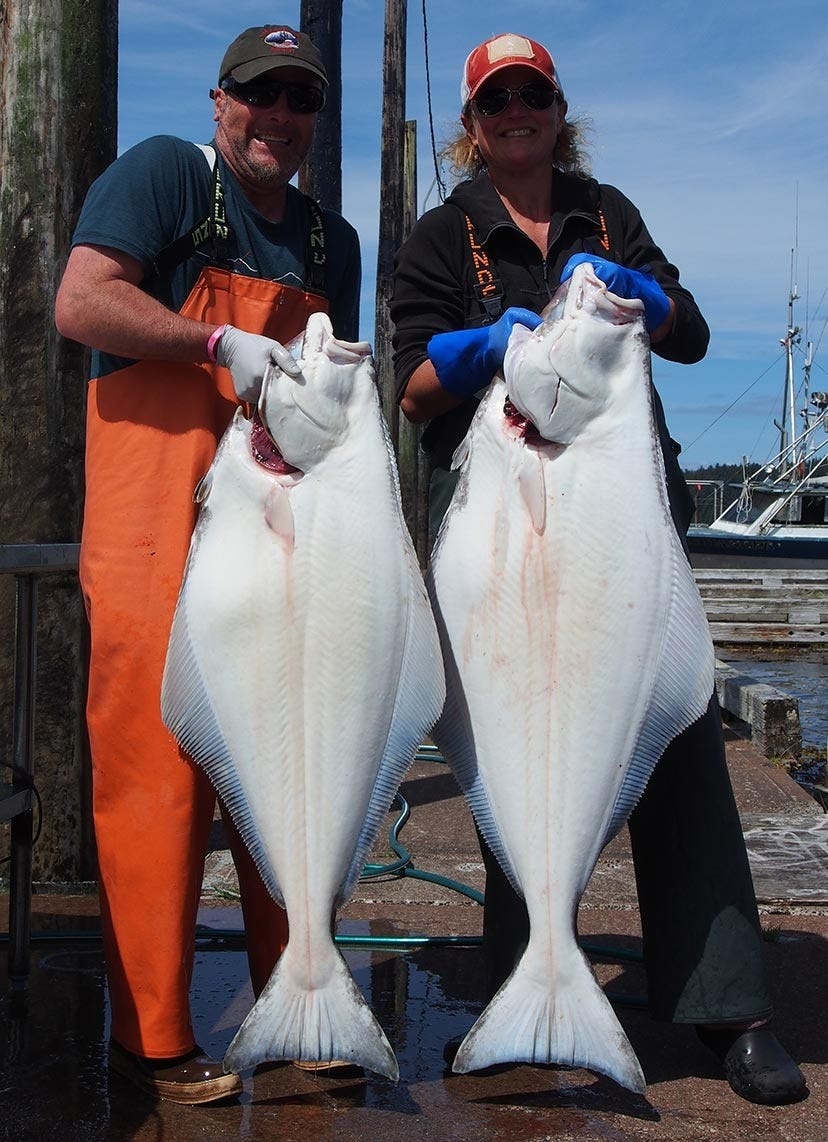
Scientists report that halibut populations have been in deep decline in both numbers and fish size since the early 2000s. This decline has affected recreational, commercial, and subsistence fishers in Alaska, the Northwest, and Canada. Len Seymour, who has been fishing Alaskan waters for 50 years, stated that 2025, “was the most grim I’ve ever seen it, frankly, last summer, as far as a halibut fishery.” The impacts of this decline from the expanding unguided sector of halibut fishermen, particularly from unguided rental boats, led to the proposal before the IPHC.
Alaskan fishermen and lawmakers, however, pushed for the decision to be made only by Alaskan fisheries. U.S. Senator Dan Sullivan (R-Alaska) welcomed the decision. Sullivan said the proposed change would have directly affected the livelihoods of Alaska’s halibut fishermen, particularly recreational and subsistence harvesters, and emphasized that the IPHC lacks jurisdiction to make such a change.
Members of the Alaska State Legislature similarly argued that the proposal falls outside of the Commission’s jurisdiction. In a letter sent to the NOAA Fisheries branch prior to the meeting, they said domestic allocation decisions should be made by the NPFMC, not an international commission. The letter states “[t]he proposed reduction in the unguided recreational bag limit does not address an objective for regulatory change and would solely affect Alaska anglers who rely on Pacific halibut as a vital food source and for recreational opportunities…” . The Alaska Legislature went further than just jurisdictional concerns and stated the change would be “inconsistent with established domestic allocation policy and would disproportionately impact Alaskans without a clear conservation justification tied to broader management goals.”
The NPFMC is not required to decide on unguided recreational sector Halibut limits, but the topic will likely continue to come up. Some disagree with the Commission’s decision and believe that it is time that recreational halibut fishers do their part. Gale Vick, with 20 years of work experience with the North Pacific Fisheries Management Council, the Alaska Board of Fisheries, and the International Pacific Halibut Commission on halibut issues, says, “The halibut sports sector should bear some burden of halibut conservation but not more than the commercial sector. Like with salmon, we all have to be part of rebuilding halibut stocks. The licensed charter and unguided halibut sports sector’s biggest impact is on near-shore and nurseries. While licensed charter has faced scrutiny for years, unguided sports has not. Enumeration of halibut in all sectors is a challenge and contributes to uncertainty in assessing halibut health. Commercial bycatch of halibut in the trawl sector remains the most egregious problem but near-shore depletion should be second.”
In fact, during the same meeting that included the recreational harvest discussion, the Commission established a take limitof 29.3 million pounds of halibut for U.S. and Canadian commercial, recreational, and subsistence fishermen, 19.3 million pounds of which were for commercial harvest - the lowest in over 100 years. Also, according to sources with knowledge of the discussions, during tense side meetings between Trump administration officials and Canadian representatives, the U.S. delegation, through threats of tariffs and other economic sanctions, forced Canada to accept further limits on British Columbia’s share of the halibut harvest.