

The long and tortured history of the rise and fall of the Waters of the United States (WOTUS) Rule is one of the saddest cases of political football in recent history. Conservative politicians have besieged the Rule for over a decade for one reason: it underpins the Clean Water Act’s protection of wetlands, rivers, and streams from industrial and commercial development. Now, under the Trump administration and the current makeup of the U.S. Supreme Court, the Rule may be in its final death throes.
To understand the undoing of WOTUS, one must go back to 1972, when Congress adopted the Act which defined “navigable waters” broadly to mean “Waters of the United States.” Then, starting in 2001, a succession of U.S. Supreme Court opinions concluded that Congress’ use of the term “navigable waters” somehow indicated an intent to restrict protections to only those waterways (including wetlands related to such waters) that have been traditionally navigable and ignored its previous finding that the term “navigable” was not that relevant to waters which the Act covers.
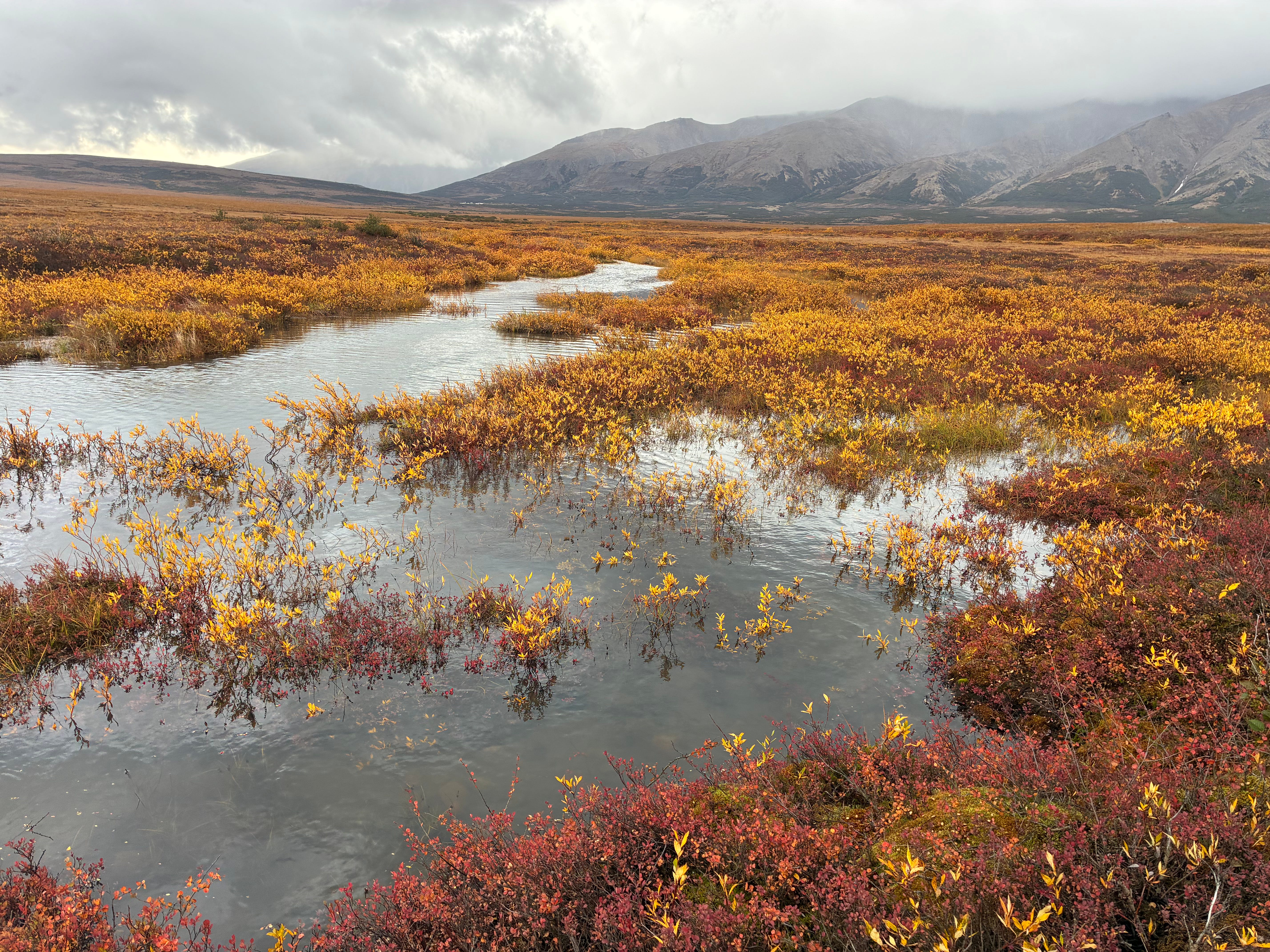
After that, WOTUS was ping-ponged back and forth between republicans seeking to further limit the Rule even beyond the narrowed Supreme Court definition and democratic administrations seeking to affirm accepted scientific principles that the network of small and interconnected wetlands and headwater streams, including those that flow intermittently or remotely from navigable water bodies, serve a critically important purpose in protecting downstream waters by capturing flow and waterborne pollutants.
Most recently, the U.S. Supreme Court, in Sackett v. EPA,[1] fundamentally changed the interpretation of what WOTUS are by effectively removing the scientific analysis and concluded that they are only “relatively permanent” waters, and that wetlands are only protected where they have “continuous surface connection” to, or abut, other WOTUS.
Then, last November, the Trump Administration issued a proposed rule claiming to implement the decision in Sackett but, in reality, restricts the Rule even further. It would eliminate protection for the vast majority of wetlands throughout the Western U.S. and Alaska by excluding those that do not have a continuous, visible surface connection to a navigable water. This was followed last Labor Day weekend by the Administration’s issuance of a Supplemental Notice to the Proposed Rule that would define “relatively permanent” as any perennial body of water that does not run dry for more than 30 days.
The Supplemental Notice therefore describes a Rule that would be the most restrictive reading of the Clean Water Act ever, pushing protections back to before they were even in place and eliminating protections for 94 percent of wetlands and one third of the more than 3.5 million miles of rivers and streams nationwide. Closer to home, with 174 million acres of wetlands, more than three million lakes, and more coastland than the lower 48 combined, no other state has more to lose from weakening the definition of WOTUS. In fact, under the new Rule, the Army Corps of Engineers could reach back and remove existing protections.
For example, the Corps is currently evaluating the impacts on a proposed 1,700-acre Graphite mine and the surrounding 6,000 acres of wetlands and rivers that are headwaters to the biologically and culturally rich Imuruk Basin, north of Nome. A proposed road would punch into the core of a fragile Arctic expanse, opening up the hunting and foraging grounds that sustain local Alaska tribes in the heart of the Western Caribou range.
In July 2026, the Corps issued an Approved Jurisdictional Determination (AJD) for the project, concluding that it would permanently discharge fill material into 389.8 acres of rivers, streams, and wetlands. The Project would also impact 142.6 acres of jurisdictional waters, including diverting 12,440 linear feet of stream that would flow around the mine in artificially constructed channels to rejoin the stream downstream of the site. However, under the Proposed Rule, an AJD like the one for the Graphite One mine would be essentially meaningless because the agencies’ actions are governed by the definition of “WOTUS in effect at the time the Corps completes an AJD, not by the date it is issued. According to the Environmental Protection Agency website that describes the Supplemental Proposed Rule, “For.”
The latest limits on the WOTUS definition clearly fly in the face of the fundamental basis of the Clean Water Act, and may be the death knell for the besieged Rule. The new rule will almost certainly be challenged in court, which is just what the Trump Administration is counting on, so it will eventually appear before the U.S. Supreme Court, which has yet to see an environmental regulatory rollback it doesn’t like, no matter the environmental or economic cost.
The best hope for Alaska’s wetlands and watersheds, therefore, may be for the states and local communities to step in to make up for the limits on federal jurisdiction. Examples include the possibility of the city of Homer taking over wetlands-protection jurisdiction as part of current proposed changes to its planning code.
Also, the U.S. Environmental Protection Agency authorizes the Alaska Department of Environmental Conservation to administer most of the National Pollutant Discharge Elimination System program through the Alaska Pollutant Discharge Elimination System. Thus, Alaska generally has authority to establish permit conditions at least as stringent as the Clean Water Act requirements, conduct compliance monitoring and inspections, and take enforcement actions against violators. The State would be unencumbered by the new limits on the WOTUS definition. It could, administratively or legislatively, use this authority to fill gaps left by the loss of federal permitting jurisdiction. For this to come about it would take new blood in the State legislature and certainly a new governor less beholden to the Trump Administration’s industrial extraction bias.
In the meantime, please provide comments on the proposed WOTUS Rule.
You can submit public comments on the proposed rule via Regulations.gov. The 30-day comment period closes on October 9, 2026.
[1] [1] In the Supreme Court of the United States, No. 21–454. Argued October 3, 2022—Decided May 25, 2023.