

In this day and age of climate change denial and carbon-based fuel hysteria by certain government leaders, the last thing the rest of us should do is to hinder the development of alternative sources of energy, like wind and hydropower. But as we transition to alternative energy, we shouldn’t ignore the human and environmental impacts of these cleaner sources.
Take the Alaska Energy Authority, for example, which has submitted a draft application for an amendment to the Bradley Lake Hydroelectric Project (DAA). The proposed amendment would allow AEA to divert flows from Dixon Creek in order to raise Bradley Lake’s normal maximum operating elevation by 16 feet. Together, these two components would increase the Bradley Lake Project’s power output by approximately 38 percent.
Although AEA claims to have worked with numerous state and federal resource agencies, local governments, non-governmental organizations, interested Tribes and regional corporations, and concerned citizens to inform the DAA and supporting Study Plans as well as potential protection, mitigation, and enhancement measures that AEA is proposing, none of these documents so much as mentions the term “climate change” much less the impacts of rapid changes on aquatic species or the project itself.
DAA and supporting study plans are completely devoid of any reference to impending climate changes because the consultants working with AEA have concluded that such climate forecasting is “out of the scope” of the proposed project. This seems like an odd justification when the license amendment will alter flows in Dixon Creek over the next several decades potentially exacerbating the impacts of projected higher temperatures, lower dissolved oxygen, and turbidity on fish and wildlife habitat in the Creek. Unfortunately, AEA has no idea what these impacts might be because neither the Aquatic Resources nor the Wildlife Habitat Evaluation reports conducted in support of the Expansion includes any information on whether the Creek includes such habitat. This is regardless of the fact that the greatly reduced snowpack in the Kachemak Bay watershed during 2024 and 25 is just one illustration of a rapidly changing climate and streamflow impacts from the receding Dixon Glacier.
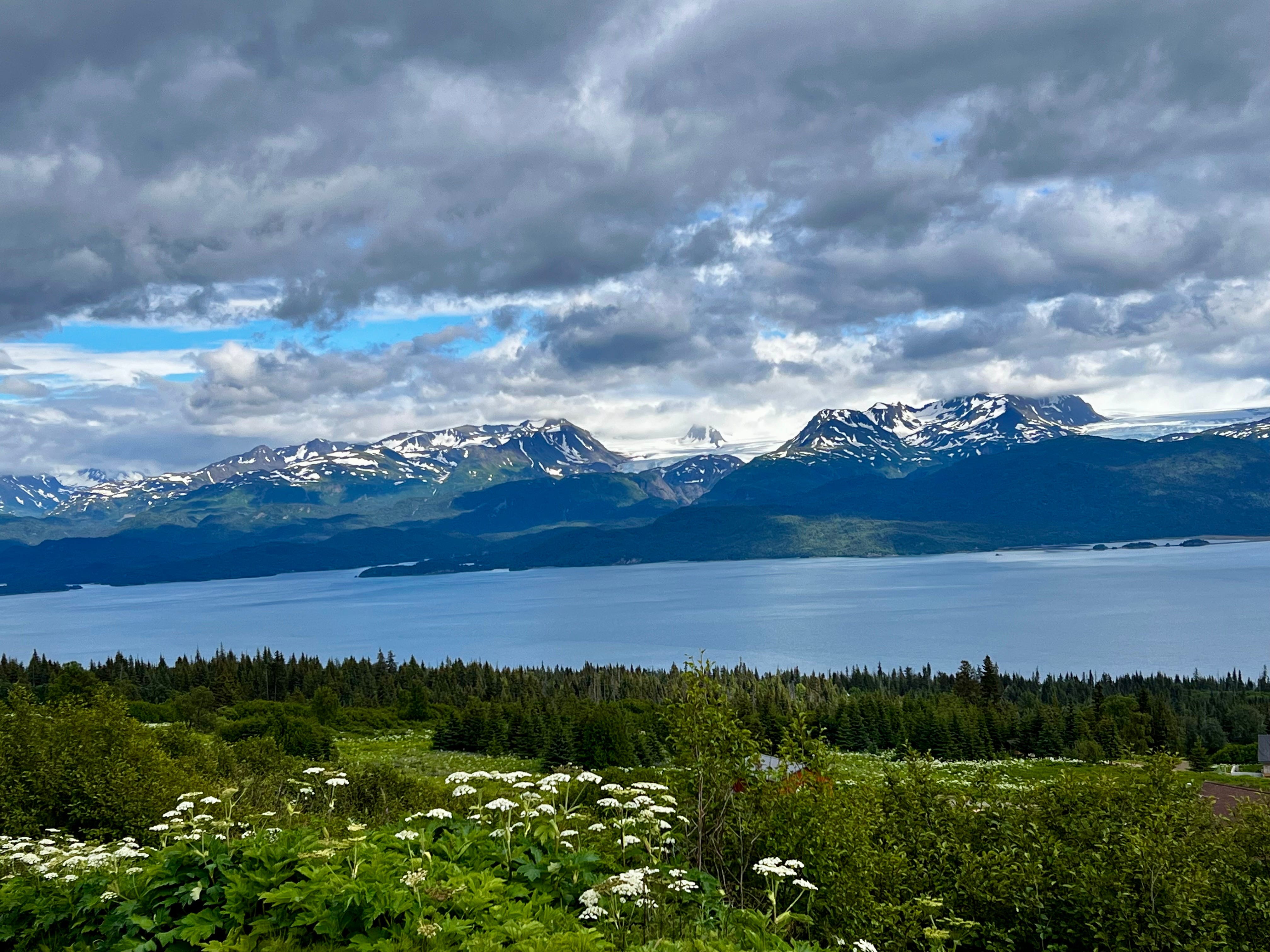
Loss of flows in Dixon Creek can also affect groundwater, which directly affects Salmon because it is critical for adequate stream flow, stream temperatures, and stream nutrients. Approximately half of summer stream flow originates from underground seeps and springs, which are cooler than ambient stream water in summer and warmer in winter, providing important thermal refugia for salmonids. According to a study conducted by the University of Alaska on impacts of rapidly decreasing glaciers in Kachemak Bay and submarine groundwater discharge on the marine environment, groundwater from glacial melt is critically important for critical for “numerical simulations of groundwater flow, tidal pumping and chemical reactions and transport.”
In addition, Bradly Lake already carries heavy glacial flour increasing sediment pulses from glacial meltwater coming from Nuka Glacier. Increased flows into the Lake coming from the retreating Dixon Glacier, therefore, could have significant impacts on salmon in the Martin River below the Lake. In addition to slowed growth in smolts from cold water, this increased turbidity and bedload movement can smother eggs and reduce oxygen flow in redds, degrade spawning gravels, resulting in reduced egg survival, and reduce juvenile feeding efficiency.
Ironically, while the Bradly Lake Expansion proposal seems to rely heavily on the impacts of climate change on the Dixon Glacier because of increased flows, it completely fails to analyze those impacts, ignoring analysis of how rapidly increasing temperatures and reduced snowpack will affect the Glacier’s ability to continue to provide increased flows to Bradly Lake for power production purposes. Neither the DAA nor any of the supporting studies provides any information on how long the Dixon Glacier might last before it is gone, and Dixon Creek will no longer provide flows to Bradly Lake. This would not only affect hydropower production, but also aquatic habitat.
Because the Dixon Creek diversion would impact flows, and the fish and wildlife that rely on this ecosystem, it is imperative that the DAA and supporting documentation analyzes existing baseline data and the impacts of the proposed licensing amendment on instream flows, connectivity, fish and wildlife productivity, hydrologically connected groundwater, and water quality to understand how the ecosystem will respond to the proposed project in light of climate change impacts. We can have clean energy and healthy aquatic habitats too.
Comments on the DAA can be submitted up through May 13 through the FERC docket at: eLibrary | General search(reference docket no. P-8221-123).
Bravo, Hal. Your proposal is timely and urgent. Thank you for making sure the prospective impacts are carefully considered in the AEA's analysis.