

Due to warming waters, which impact salmon early on in their life cycles, and commercial fishing bycatch, Chinook salmon numbers have been declining in Alaska for a decade. Then in 2021, Chum populations in the Yukon-Kuskokwim rivers nosedived and have continued to decline ever since, prompting state and federal fishery managers to close fishing for that species in those rivers. The closures have continued, affecting more than 2,500 households each year in a region that relies heavily on Chum for subsistence.
Last February, after years of advocacy from communities across the Yukon, Kuskokwim, Bristol Bay, and Arctic regions who have experienced devastating salmon collapses to both Chum and Chinook Salmon in part due to by-catch from the trawling industry, the Alaska Board of Fisheries adopted restrictions on by‑catch in the Area M salmon fishery. The Alaska Peninsula and Aleutian Islands Management Area (Area M) is a state-managed commercial fishery covering waters on the south side of the Alaska Peninsula, west of Bristol Bay and the Aleutian Islands, and east of the Atka–Amlia Management Area.
Area M is a commercial salmon fishery where vessels targeting sockeye and pink salmon also intercept Chum and Chinook salmon bound for Western Alaska rivers, including the Yukon and Kuskokwim. Area M is a major contributor to these declining salmon populations, and in 2025, the commercial salmon harvest there totaled 21.1 million fish, including 17,857 Chinook and 1,289,070 Chum.
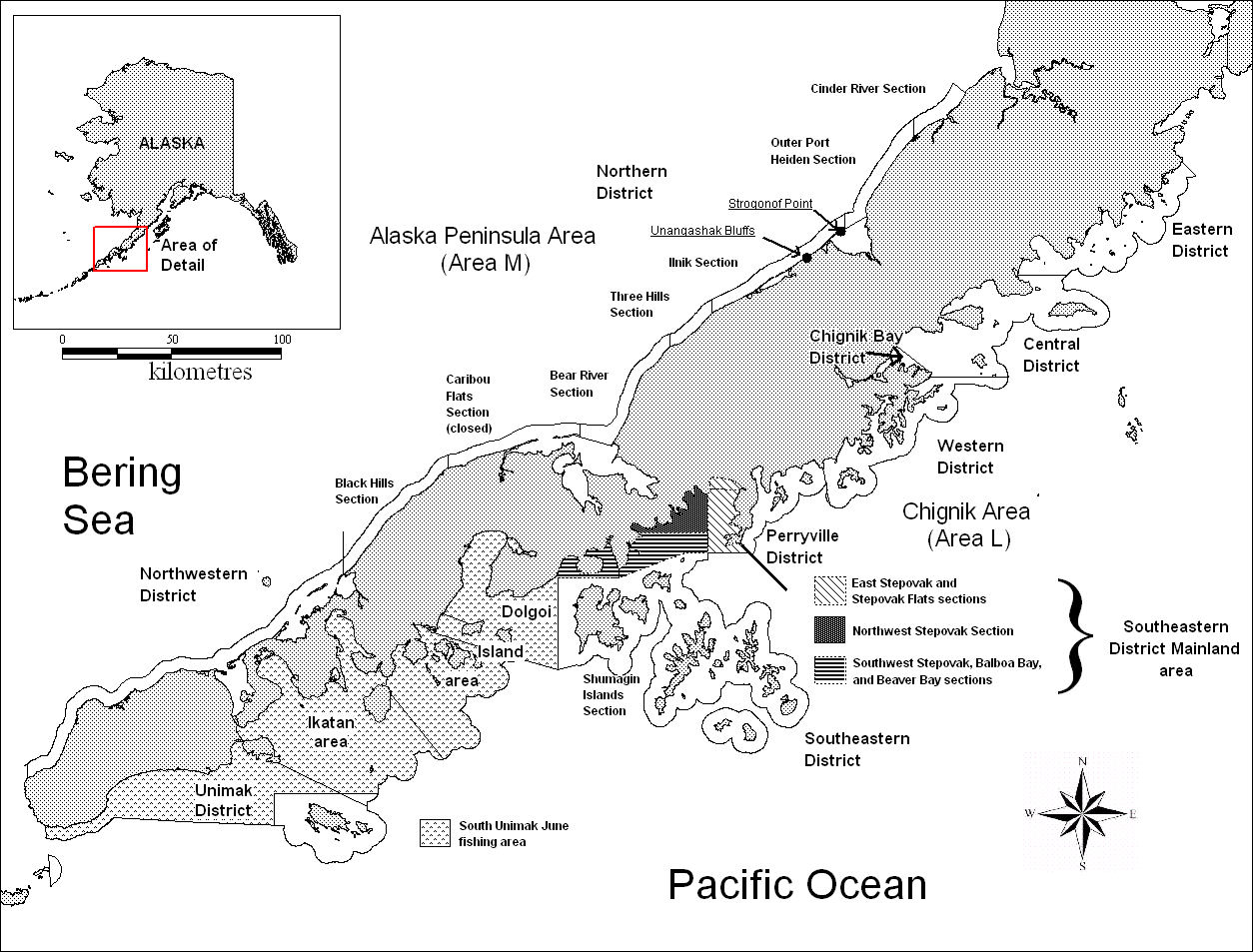
The February 2026 regulations were intended to reduce when and where commercial salmon harvesters could fish in this area, and to add closures tied to Chinook salmon harvests. Alleging, however, that some BOF members had undisclosed conflicts of interest, last April, Area M commercial fishing groups and the Aleutian East Borough filed a lawsuit seeking to nullify the regulations.
Anticipating that the State of Alaska and the Alaska Department of Fish and Game (ADF&G) would not effectively protect Western Alaska salmon stocks attempting to travel through Area M, the Bering Sea Fishermen’s Association filed a motion on May 14, 2026, to intervene in the commercial fishers’ litigation. Indeed, once the lawsuit was filed, instead of letting the court decide whether the alleged conflict of interest actually existed and to what extent any conflict would affect the regulations, the State Attorney General suddenly voided the Board of Fisheries’ regulations to restrict the Area M fishery.
Several Alaska Native organizations immediately criticized the AG’s decision to repeal the regulations. According to Vivian Korthuis, CEO of the Association of Village Council Presidents,
Our people are still suffering from the prolonged humanitarian crisis of the salmon crash. The momentum has been interrupted, and with this action, the window of hope is further diminishing. We have stood up for our region, but even so our efforts get silenced. The reality is, our rivers have no salmon - where does our region turn to now, to address these systemic inequities?[1]
Chief Charlie Wright, Chair, Yukon River Inter Tribal Fish Commission, said,
The restrictions represented the first meaningful reductions on Area M interceptions in more than two decades and were intended to return more salmon to Western Alaska river systems suffering from prolonged subsistence closures and fishery disasters, such as the failure to fulfill Yukon River treaty obligations to Canada.[2]
The Tribes argue that the Attorney General should not have repealed the regulations based on mere allegations of a conflict of interest, especially given the Board’s past adoption of regulations favoring commercial fishing that raised obvious conflicts of interest.
Without awaiting the outcome of this litigation or providing legitimate justification, the AG’s office voided the BOF regulations, giving the Area M commercial fishing groups everything they asked for. By voiding the regulations and trying to dismiss the case, the Attorney General and ADF&G hope that a court never gets to hear BSFA’s concerns or gets to weigh in on whether any board members had a conflict of interest that prevented them from voting.[3] Karen Gillis, Executive Director, Bering Sea Fishermen’s Association.
At a time when salmon stocks are in crisis, acutely felt by local communities, the action by acting Attorney General Cori Mills to immediately drop important by-catch regulations without investigating their validity is based solely on politics, rather than sustainable fishery management. This unilateral change of regulating commercial fishing practices sets a dangerous precedent and should be an alarm bell for all Alaskans who care about addressing the current salmon crisis.
[1] Kuskokwim River Inter-Tribal Fish Commission, Yukon River Inter-Tribal Fish Commission, the Bering Sea Fisheries Association, Alaska Attorney General Refuses to Defend Board of Fisheries, Colludes with Area
M and voids BOF regulations intended to protect Western Alaska salmon (May 21, 2026). (Press Release).
[2] Press Release
[3] Ibid.
The Northern Journal published a similar article simultaneously with
this posting on Thursday:
https://www.northernjournal.com/alaskas-board-of-fish-restricted-a-commercial-fleet-to-protect-western-alaska-salmon-then-the-ag-stepped-in/?ref=northern-journal-newsletter